Keramické náhrady: Co to je, kdy je vhodné a jak se o ně starat
When you need to replace a damaged or missing tooth, keramické náhrady, zubní náhrady vyrobené z keramiky, které imitují přirozenou barvu a lesk zubu. Also known as celokeramické korunky, they are the go-to choice for people who want a natural-looking smile without metal showing at the gumline. Unlike older metal-based solutions, they don’t discolor over time, don’t trigger allergies, and blend in so well that even your dentist might have trouble telling them apart from your real teeth.
These aren’t just for front teeth. celokeramická korunka, plná náhrada, která obaluje poškozený zub od špičky po kořen can restore molars that take heavy chewing forces. And when you’re missing one or more teeth in a row, zubní náhrady, stálé řešení, které nahrazuje chybějící zuby pomocí korunek navázaných na sousední zuby nebo implantáty in the form of a bridge are often the best option. They’re not removable like dentures—they stay fixed, feel natural, and let you eat apples, nuts, or steak without worry.
But they’re not magic. If you grind your teeth at night, keramické náhrady can chip or crack. If you skip flossing, plaque builds up around the edges and causes gum disease. That’s why proper care is non-negotiable. Brush twice a day, use interdental brushes or floss daily, and visit your dentist every six months. No special toothpaste needed—just avoid overly abrasive ones. And if you notice a loose crown, a sharp edge, or sudden sensitivity, don’t wait. A small repair now saves you from a full replacement later.
Many people think porcelain veneers and ceramic crowns are the same. They’re not. Veneers are thin shells glued to the front of teeth for cosmetic fixes. Ceramic crowns are full caps that rebuild the whole tooth structure. If your tooth is broken, heavily filled, or has had root canal treatment, a crown is what you need—not a veneer. The difference matters, and your dentist should explain it clearly before you decide.
What about cost? Yes, keramické náhrady cost more than metal or plastic ones. But they last longer—often 15 to 20 years with good care. You’re not just paying for looks; you’re paying for durability, biocompatibility, and confidence. When you smile, you shouldn’t have to think about your teeth. With ceramic, you don’t have to.
Below you’ll find real-life guides on how to care for ceramic restorations, what to do if they break, how long they take to make, and how they compare to other options like implants or metal crowns. No fluff. Just practical advice from people who’ve been there.
Připravte se na proměnu s celokeramickými fazetami: Co potřebujete vědět před lékařským zákrokem
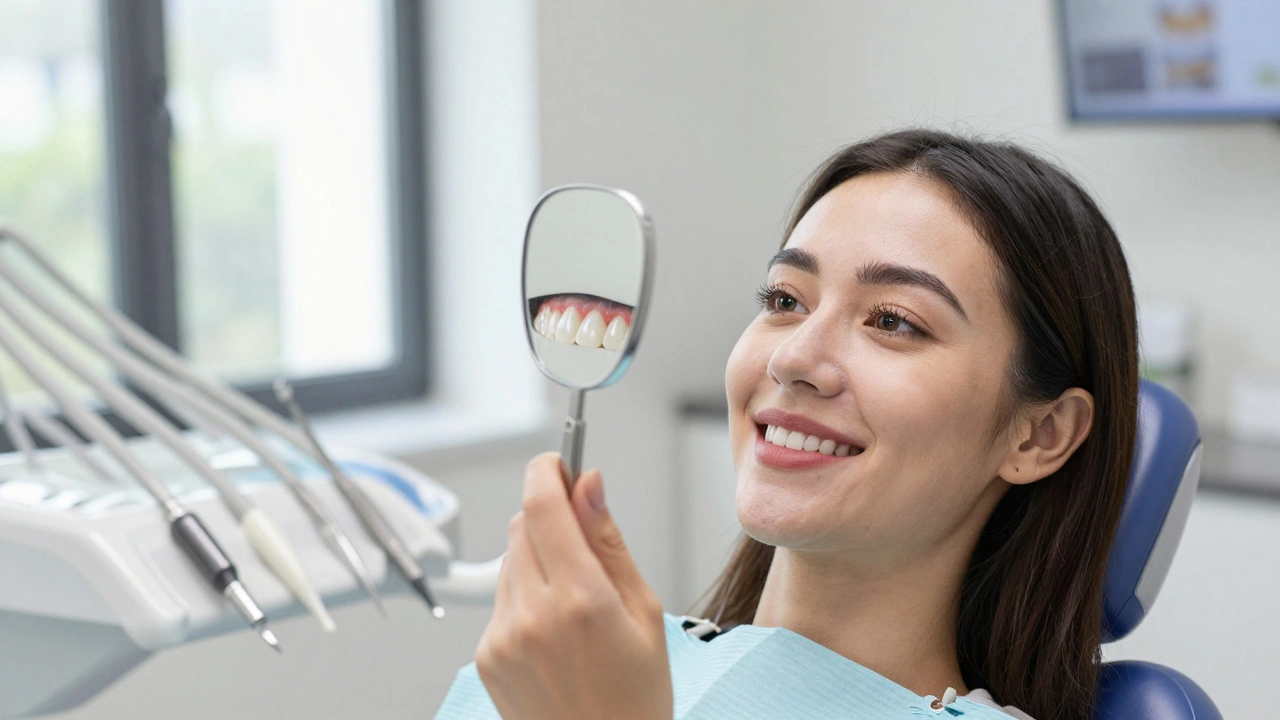
Celokeramické fazety mohou přeměnit váš úsměv bez nutnosti zásahů do zubní tkáně. Zjistěte, kdo je vhodný kandidát, jak probíhá lékařský proces a jak na ně pečovat, aby vydržely 15-20 let.
číst více