Po pískování jíst: Co můžete a nemůžete jíst po profesionálním čištění zubů
When you get your teeth professionally cleaned, a dental procedure that removes plaque and tartar using ultrasonic scalers and air-polishing devices. Also known as skaling, it’s not just about making your teeth look better—it’s about stopping gum disease before it starts. After this treatment, your teeth might feel a bit sensitive, and the surface can be more porous for a short time. That’s why what you eat—or don’t eat—in the next few hours matters more than you think.
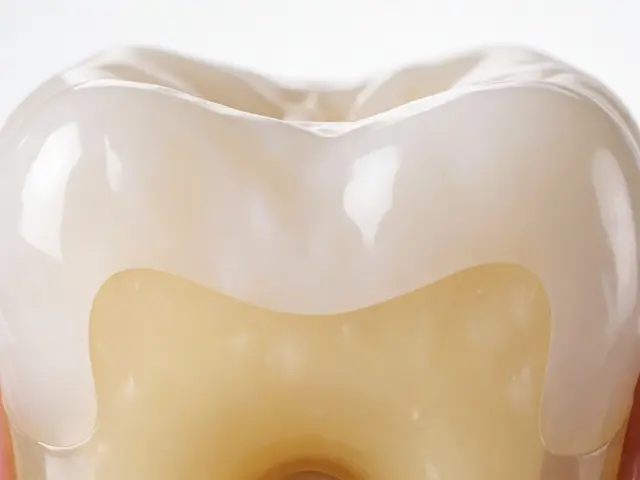
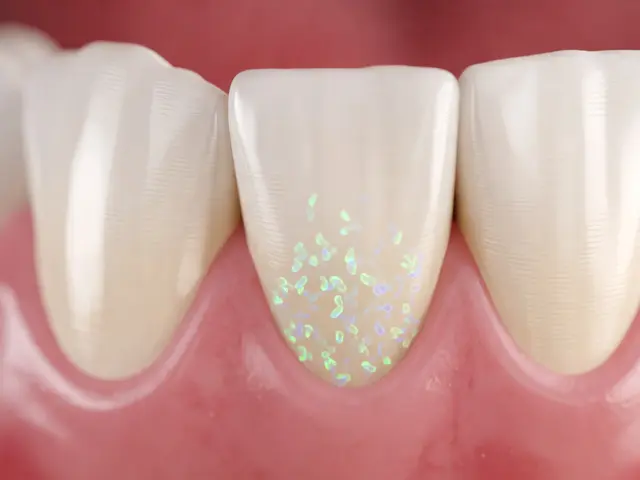
Tartar, hardened plaque that forms on teeth and can’t be removed by brushing is exactly what the dentist just scraped off. But even after removal, your enamel is temporarily more vulnerable. Eating acidic or staining foods too soon can undo the benefits. You might think a cup of coffee or a tomato sandwich is harmless, but right after cleaning, your teeth are like a sponge. They soak up color and acid faster than usual. That’s why dentists recommend waiting at least 24 hours before drinking red wine, coffee, tea, or eating dark berries. Even white wine and citrus fruits can cause discomfort or discoloration if consumed too early.
And it’s not just about color. If your gums were inflamed before the cleaning, they might still be tender. Crunchy foods like nuts, chips, or raw carrots can irritate them. Stick to soft, lukewarm meals—mashed potatoes, yogurt, scrambled eggs, or oatmeal. Avoid sugary snacks, even if they’re soft. Sugar feeds bacteria that start rebuilding plaque within hours. Also, skip alcohol-based mouthwashes. They burn. Use plain water or a gentle saltwater rinse instead.
Sensitive teeth, a common side effect after professional cleaning, especially if tartar was heavy usually fades in a day or two. But if you feel sharp pain when drinking cold water or biting down, that’s your body telling you to be gentle. Use a soft-bristled brush and toothpaste made for sensitivity. Don’t brush right after eating acidic foods—wait 30 minutes. Your enamel is softer then, and brushing too soon can wear it down.
Most people don’t realize that what they eat after cleaning affects how long the results last. If you jump straight back into your old habits—cola, candy, smoking—you’ll need another cleaning sooner. But if you give your mouth a break for a day, you’re giving your gums time to heal and your enamel time to re-mineralize. That’s when daily habits like flossing and using an electric toothbrush really start paying off.
There’s no magic rule, but here’s the simple version: wait 24 hours before dark, acidic, or crunchy foods. Drink water. Eat soft. Avoid sugar. And if you’re unsure, ask your hygienist—they’ll tell you exactly what works for your mouth. What you do after cleaning is just as important as the cleaning itself.
In the posts below, you’ll find practical advice on what to eat after professional cleaning, how to deal with sensitivity, why tartar keeps coming back, and how to keep your teeth healthy long after the chair is empty.
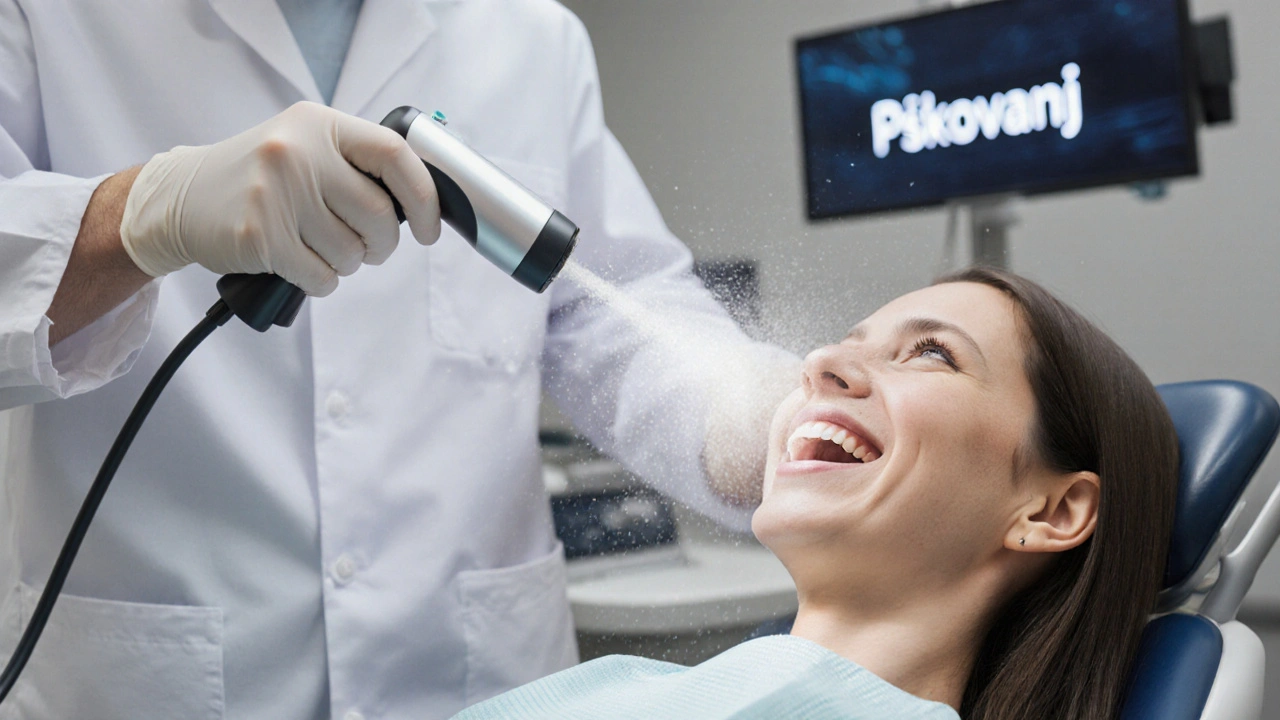
Jak dlouho nejíst po pískování zubů - praktický průvodce
Zjistěte, jak dlouho po pískování zubů nemáte jíst, jaké potraviny jsou vhodné a co dělat při krvácení dásní. Praktické tipy pro rychlé zotavení.
číst více