Bakteriální angína: Co to je a jak ovlivňuje zuby a ústa
When you have a sore throat that won’t go away, it’s not just about swallowing. bakteriální angína, infekce způsobená bakteriemi, obvykle streptokoky, která způsobuje zánět krku, hrdla a často i okolních tkání. Also known as streptokoková angína, it doesn’t just make you feel miserable—it can also affect your mouth in ways you might not expect. This isn’t just a cold that passes. If left untreated, it can spread to nearby areas, including your gums, tonsils, and even your jawbone.
Many people don’t realize that a bacterial infection in the throat can trigger or worsen gum inflammation. When your immune system is busy fighting off strep bacteria, your gums become more vulnerable. You might notice bleeding when brushing, increased sensitivity, or even a bad taste in your mouth—even if you brush regularly. The same bacteria that cause angina can settle in plaque around your teeth, especially if your oral hygiene isn’t perfect. This is why some patients report sudden gum problems right after a bout of strep throat. Your zubní zdraví, stav vašich zubů a dásní, který ovlivňuje nejen estetiku, ale i celkové zdraví těla is connected to what’s happening in your throat.
And it’s not just about the infection itself. Antibiotics used to treat bacterial angina can disrupt the natural balance of bacteria in your mouth. This can lead to fungal overgrowth—like oral thrush—which causes white patches, burning sensations, and discomfort. Some patients also experience dry mouth as a side effect, which reduces saliva flow. Saliva is your mouth’s natural cleaner. Less saliva means more plaque, more acid, and a higher risk of cavities or gum disease. If you’ve had angina recently and now your mouth feels off, it’s not in your head.
Co dělat, když máte bakteriální angínu a zároveň problémy se zuby?
Don’t wait for your throat to heal before seeing your dentist. If you’re on antibiotics, tell your dentist—they might need to adjust your treatment plan. Avoid aggressive brushing if your gums are inflamed; use a soft brush and gentle circular motions. Rinse with salt water—it helps reduce bacteria and soothes irritation. And if your throat pain makes it hard to open your mouth, don’t skip your dental hygiene. Use mouthwash without alcohol to avoid burning. Your zubní lékař, odborník, který diagnostikuje, léčí a prevence onemocnění ústní dutiny, včetně infekcí, které se šíří z krku can check for early signs of gum damage or hidden infections that you can’t see.
What you’ll find in the posts below isn’t just a list of articles. It’s a practical guide to how infections like bacterial angina connect to things you might not think about—like your bite, your implants, or even your dentures. We’ve gathered real cases, expert advice, and clear steps so you don’t have to guess what’s happening in your mouth after a bad throat infection. Whether you’re recovering now or just want to prevent problems later, these posts give you the facts without the fluff.
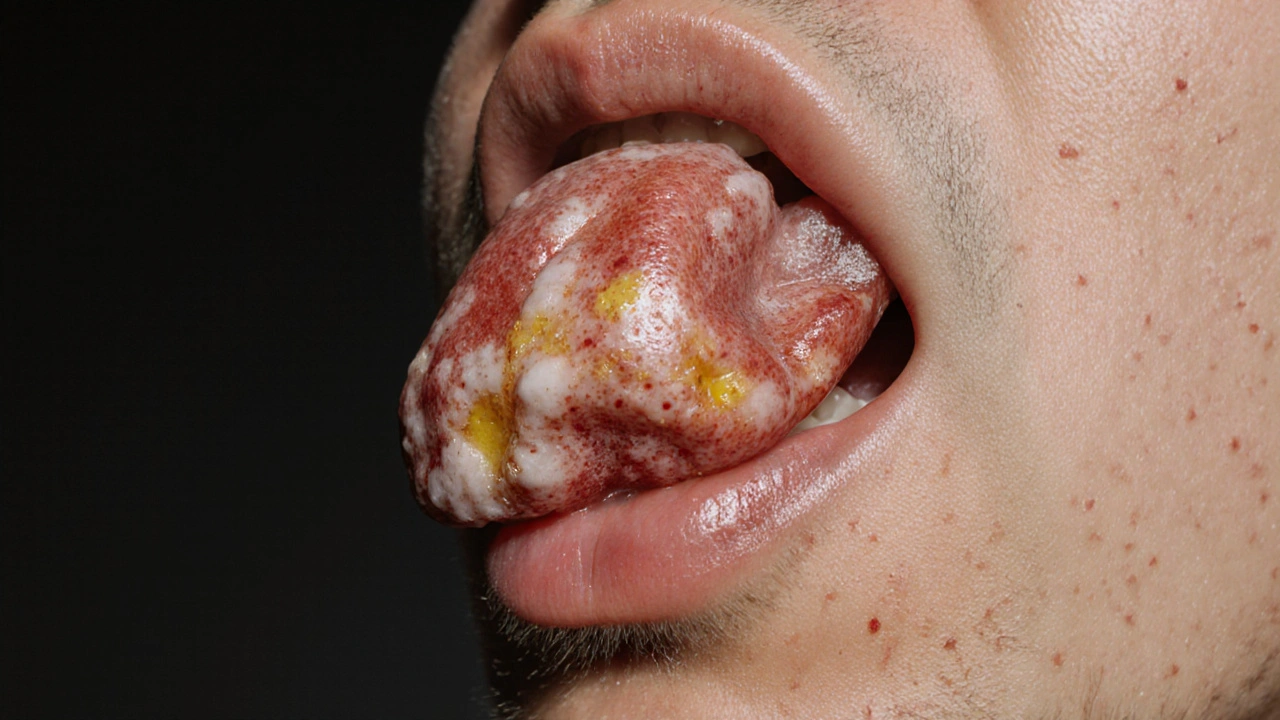
Jak poznat bakteriální angínu - příznaky, které neignorujte
Bakteriální angína se projevuje ostrou bolestí hrtanu, horečkou a bílými skvrnami na mandlích. Není to jen nachlazení - vyžaduje léčbu antibiotiky, jinak hrozí vážné komplikace.
číst více